2026 Building Trends From Construction Contractors
The construction industry continues to evolve rapidly, driven by technological advancements, changing project demands, and new methods of improving efficiency. As the industry advances, several emerging building trends are reshaping how commercial and residential projects are planned and completed. From improved construction methods to stronger collaboration among project teams, today's innovations are helping contractors deliver quality results while keeping projects on schedule.
Adapting to these market changes requires a deep understanding of how construction methods, project planning, and craftsmanship continue to evolve. Modern construction demands a forward-thinking approach that balances structural integrity, efficient workflows, and dependable project management. Contractors who embrace proven innovations can improve project outcomes while meeting the expectations of today's property owners, developers, and businesses. As new technologies and construction methods become more widely adopted, the industry continues to raise the standard for quality and reliability.
Utilize Modern Construction Materials
Advancements in building materials continue to influence how projects are designed and constructed. Manufacturers are constantly introducing products that improve durability, strength, and long-term performance while simplifying installation. These innovations allow construction contractors to deliver dependable structures that stand up to years of daily use.
According to ConstructConnect, there was a 7% increase in new construction projects across the United States last year, highlighting continued demand throughout the industry. As more projects move forward, contractors are selecting materials that provide lasting performance without sacrificing efficiency during construction.
Engineered wood products, high-performance concrete mixes, advanced framing components, and modern insulation systems all contribute to stronger, longer-lasting structures. Many of these materials are designed for improved consistency and quality control, helping reduce installation issues while supporting reliable structural performance. Contractors continue evaluating new products that can help improve project quality and streamline construction without compromising workmanship.
Material manufacturers are also investing heavily in research and development to create products that are easier to install while maintaining high performance standards. Improvements in adhesives, fasteners, moisture barriers, and structural components help construction teams work more efficiently without sacrificing durability. These incremental innovations often produce significant benefits over the lifespan of a completed building.
Implement Automated Construction Equipment
Automation is becoming increasingly common throughout the construction industry, particularly during the building process itself. Modern equipment helps crews perform repetitive tasks with greater consistency while improving productivity across the job site. Construction contractors continue investing in machinery and equipment that increase precision and support efficient project completion.
Advanced layout technology, automated grading equipment, laser-guided machinery, and robotic surveying tools help reduce manual errors while improving accuracy. These technologies allow contractors to establish precise measurements before construction begins, helping minimize costly corrections later in the project.
Automation also improves coordination between crews by allowing information to be shared more quickly throughout a project. Digital measurements, equipment tracking, and project documentation help contractors monitor progress and maintain consistent quality from start to finish. Rather than replacing skilled tradespeople, these tools allow experienced professionals to work more efficiently while focusing on specialized craftsmanship that requires human expertise.
As equipment manufacturers continue developing new technologies, contractors gain additional tools for managing increasingly complex projects. Automation supports consistency, reduces rework, and helps projects move forward according to schedule.
Maximize Prefabrication Benefits
Prefabrication continues gaining momentum because it allows significant portions of a project to be completed before arriving at the job site. Manufacturing building components in controlled environments helps improve precision while reducing scheduling challenges that often occur during traditional construction.
Many construction contractors incorporate prefabricated components whenever practical because they can shorten construction timelines and improve coordination between trades. Walls, roof trusses, floor systems, utility assemblies, and other structural elements may all be manufactured off-site before installation.
Operating inside highly controlled facilities protects materials from weather-related delays and allows manufacturing teams to maintain consistent production standards. While site crews prepare foundations and supporting infrastructure, prefabricated components can be built simultaneously, allowing multiple phases of construction to progress at the same time.
Factory-based production also enables tighter quality control through standardized manufacturing processes. Equipment designed specifically for repetitive fabrication helps maintain consistent dimensions and assembly methods. Once components arrive on-site, installation often proceeds more quickly because much of the detailed work has already been completed.
Moving portions of construction into controlled manufacturing facilities also helps contractors better manage scheduling, material handling, and project logistics. With improved coordination between manufacturing teams and field crews, developers can reduce delays and maintain steady project momentum from groundbreaking through final completion.
Improve Project Planning With Digital Technology
Digital technology has transformed nearly every stage of modern construction planning. Software platforms allow contractors, architects, engineers, and clients to collaborate throughout design and construction while maintaining clear communication and accurate documentation.
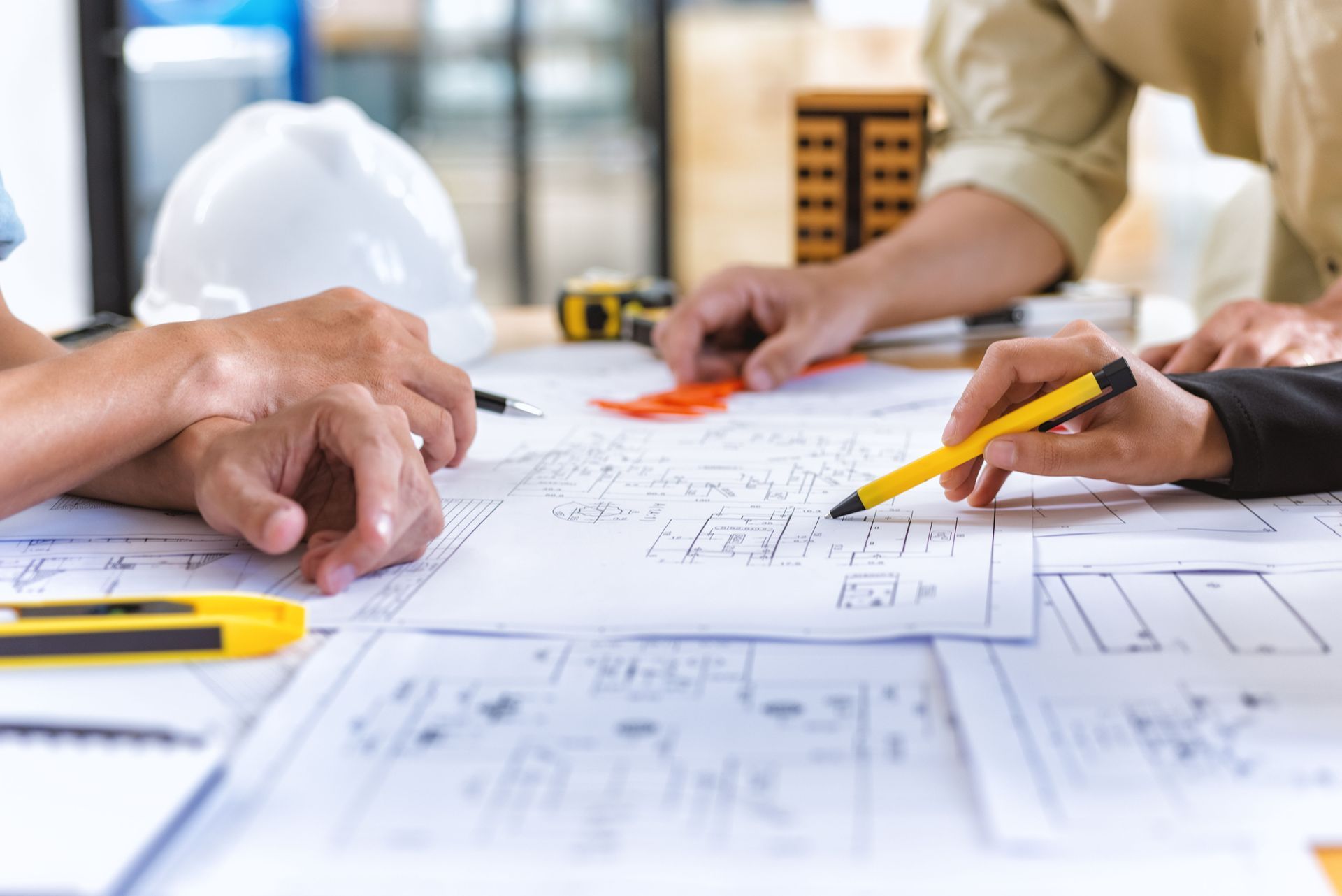
Building Information Modeling (BIM) has become an increasingly valuable tool for coordinating complex projects. Digital models allow project teams to visualize construction before work begins, identify potential conflicts between building systems, and make adjustments before materials are ordered or crews arrive on-site.
Project management software also improves scheduling, budgeting, document management, and communication among all parties involved. Contractors can monitor project milestones, manage subcontractor schedules, track material deliveries, and maintain detailed records throughout construction.
Digital documentation also helps reduce misunderstandings by providing current project information that is accessible to everyone involved. Rather than relying solely on printed plans, project teams can reference updated drawings and specifications whenever changes occur, helping improve coordination and reduce unnecessary delays.
As digital tools continue advancing, construction professionals are finding new ways to improve project organization while maintaining high standards of quality and accountability.
Foster Collaborative Partnerships
Successful construction projects rely on effective collaboration between contractors, architects, engineers, manufacturers, subcontractors, and property owners. Strong communication throughout every phase of construction helps reduce misunderstandings while improving project outcomes.
Qualified construction contractors work closely with every member of the project team to ensure designs remain practical, construction schedules stay realistic, and expectations are clearly defined before work begins. Early collaboration often allows potential issues to be identified during planning rather than after construction has started.
Sharing information openly among project stakeholders improves coordination between structural, mechanical, electrical, and architectural systems. When every discipline understands the overall project goals, teams can work together more efficiently while minimizing costly changes during construction.
Regular meetings, detailed project documentation, and consistent communication help keep everyone aligned throughout the building process. Contractors can quickly address questions, coordinate deliveries, and adapt to changing project conditions without disrupting overall progress.
Establishing a unified workflow from the beginning also helps simplify permitting, inspections, and regulatory compliance. When architects, engineers, and contractors coordinate their efforts early, projects often move more smoothly through each stage of construction. Strong partnerships create a more organized building process that benefits developers, business owners, and future occupants alike.
Focus on Quality Craftsmanship
While technology continues to change the construction industry, quality workmanship remains one of the most important factors in every successful project. Skilled tradespeople bring years of experience and technical knowledge that cannot be replaced by equipment alone.
Construction contractors understand that careful attention to detail during every phase of a project contributes to long-term building performance. Proper installation techniques, thorough inspections, and adherence to building codes help ensure structures remain safe and reliable for years to come.
Experienced contractors also recognize the value of investing in ongoing training for their teams. As building materials, equipment, and construction methods continue evolving, continuing education helps crews stay current with industry best practices and changing regulations.
Whether planning a commercial development, industrial facility, or specialized construction project, working with an experienced contractor can make a significant difference in project success. C L Pincus Inc has the expertise and commitment to quality needed to help clients complete construction projects with confidence, delivering dependable results that stand the test of time.




Share On: